Harmony in Healing: The Transformative Power of Music to Calm Anxiety and Depression

Introduction:

In the symphony of life, where emotions often dance to their unpredictable rhythm, one universal melody has emerged as a powerful force for healing — music. Beyond its enchanting notes and beats, music has proven to be a therapeutic remedy for those grappling with anxiety and depression. This article explores the profound benefits of music in alleviating the burdens of the mind, offering solace in sound waves.

The Science Behind Music and Mood:

 Listening to music releases the dopamine hormone, the “feel-good” neurotransmitter, reducing stress and promoting a sense of pleasure. Additionally, music has the remarkable ability to modulate the level of cortisol in the body, which is the hormone associated with stress, thereby creating a calming effect on the anxious mind.

Anxiety Soothing Sounds:

Specific genres and styles of music are particularly effective in calming anxiety. Classical music, with its harmonious compositions, has a serene quality that can transport listeners to a tranquil state. Nature sounds, and ambient music emulates the calming sounds of the environment, providing a therapeutic escape from the chaos of daily life.

The Rhythmic Prescription for Depression:

Depression often brings with it a heavy burden that can feel insurmountable. With its rhythmic cadence, music acts as a balm for the soul. Upbeat and uplifting tunes can elevate mood by encouraging the brain to produce more serotonin, which helps overall well-being and good mood.

Personalized Playlist Therapy:

One of the beauty of music’s therapeutic benefits lies in its personalization. Creating a playlist tailored to individual preferences allows a tailored approach to mental well-being. Whether it’s the nostalgic tunes from the past or the latest hits, a curated playlist can be a reliable companion on the journey to mental wellness.

Musical Meditation and Mindfulness:

Music is a gateway to mindfulness, offering a focus point for those seeking solace. Incorporating musical meditation into daily routines fosters a sense of presence and calm, guiding individuals away from the relentless grip of anxiety and depression.

The Universal Language of Connection:

Beyond its impact, music is a universal language, connecting people across cultures, ages, and backgrounds. Group music-making activities, such as singing in choirs or participating in drum circles, provide a sense of community and support, fostering a shared journey toward healing.

Conclusion:

In the vast tapestry of therapeutic interventions for anxiety and depression, music is a melody feeds the soul. The harmony in healing that music offers is invaluable. As we navigate the ebbs and flows of life, let the transformative power of music guide us toward a symphony of serenity and mental well-being.

Breakthrough treatment: Locanemab is approved to treat early-onset Alzheimer’s disease

According to the Alzheimer’s Drug Discovery Foundation and the article published in the New England Journal of Medicine, the United States Food and Drug Administration (FDA) has approved Locanemab (Leqembi) as a new treatment to treat early onset Alzheimer’s disease. The approval came through the accelerated pathway for critical medical needs based on strong clinical evidence from randomized trials.

Phase 3 of the ongoing trial shows evidence of slow cognitive decline among users of Locanemab after 18 months. In addition, results from the study show a significant reduction in Amyloid Plaques in the brain of Locanemab users compared to those on placebo.

As with every trial, there are concerns about the adverse effects of such a new medication. Therefore, additional information on the safety and efficacy of the drug is warranted from longer trials.

Sources:

1. Alzheimer’s Drug Discovery Foundation

2. Lecanemab in Early Alzheimer’s Disease, The New England Journal of Medicine

Deterioration in language can predict early symptoms of Alzheimer’s Dementia.

In a recent study, an independent linguistic battery comprising only the language components or subtests of popular neuropsychological batteries showed a better clinical detection for MCI-AD than using an exhaustive battery of test.

Mild Cognitive Impairment due to Alzheimer’s disease (MCI-AD) is a precursor to Alzheimer’s disease (AD). It is characterized by a cognitive decline usually associated with aging or AD. However, some of the profound characteristics of MCI-AD are the gradual degrading of cognitive speech functions, which is often affected long before the diagnosis of MCI-AD. Research has shown that neurodegenerative disease such as MCI-AD deteriorates nerve cells that control cognitive speech and language processes, affecting an individual’s ability to make effective verbal utterances. As a result, the need for early detection of MCI-AD using linguistic biomarkers has grown. However, it is still prevalent to diagnose MCI-AD utilizing a combination of neuropsychological batteries and a doctor’s longitudinal observation of the individual. In a recent study, an independent linguistic battery comprising only the language components or subtests of popular neuropsychological batteries showed a better clinical detection for MCI-AD than using an exhaustive battery of tests. As confirmed by the study, the figures below compare the underlying patterns of the linguistic components and risk factors of MCI-AD and healthy control groups.

Three Key Qualities a Doctor of Behavioral Health must have

While many primary care physicians mainly focus on treating the pathological causes of diseases, it is eminent that other psychosocial aspects of diseases are also considered as part of a holistic treatment plan – an aspect of medical care often handled by behavioral health providers.

The primary care model of medicine is increasingly modified to allow medical and behavioral health providers to work collaboratively in an integrative manner by going through different stages of integration. Many primary care physicians mainly focus on treating the pathological causes of diseases. However, it is eminent that other psychosocial aspects of conditions are also considered as part of a holistic treatment plan – an aspect of medical care often handled by behavioral health providers. The emergent nature of integrative medicine creates an avenue for behavioral health providers to give complementary and alternative medical care alongside other medical providers contributing to less negative impacts on clinical care, overall better health outcomes, and satisfaction for patients. This emergent model is termed the Biodyne model of health care.

For this reasons, I state below the three key qualities that a Doctor of Behavioral Health must have:

1. Be a team player

For a successful medical and behavioral integrative healthcare model, both medical and behavioral health providers would function as a team of providers in a physically integrated space to implement a single and holistic patient care plan. The integrated physical space would allow for structural integration of knowledge across different disciplines of medicine and promote collaboration among the leadership of the medical care team. The team would be connected via a shared electronic medical records (EMR) system providing access to medical diagnosis and instructions from different care team members. More importantly, each of the integrated medical care providers would understand the roles and contributions of other providers towards a better healthcare delivery for a patient. Both the medical care team and the patient would see a vivid clinical structure to give a comprehensive healthcare delivery for the patient as a whole. The integrated care team would include the patient, primary care provider, behavioral health provider, care manager, clinical nurse, pharmacist, and other medical specialists.

2. Be interdisciplinary

In addition to the medical education honed by a behavioral health provider, interdisciplinary skills are often essential and contribute to positive patient outcomes. The acquired interdisciplinary skills would help improve the overall quality of life and educate patients on the underlying risk factors for different behavioral health problems. Therefore, a Doctor of Behavioral Health should develop a certain level of understanding in public health, psychopharmacology, health informatics, health economics, and health care finance. More importantly, the provider must have a good sense of the population you are serving (e.g., demographic information relating to women, racial/ethnic groups, and underserved people).

3. Be adaptable

Although the integrated medical and behavioral healthcare delivery model promises better health outcomes for the patient, there are fundamental challenges to its implementation. Notably, changes to the existing primary care structure relating to leadership, culture, interpersonal relationships, and patient care workflow are potential challenges to integrated health care. In addition, in some cases, a behavioral health provider may need time to adjust to different care models or transfer trust among an existing network of providers. As such, the provider must be ready to transition through the coordinated, co-located, and fully integrated stages of the integrated medical and behavioral health care model.

The links below provide more information about the Doctor of Behavioral health and the integrated health care model:

1. International Foundation of Integrated Care

2. The Cummins Graduate Institute

“In any given moment, we have two options: to step forward into growth or to step back into safety.”

Abraham Maslow

What is the Alzheimer’s Dementia Continuum?

…several findings suggest a possible reversal of AD-type MCI with carefully administered behavioral therapy, including brain-stimulating exercises.

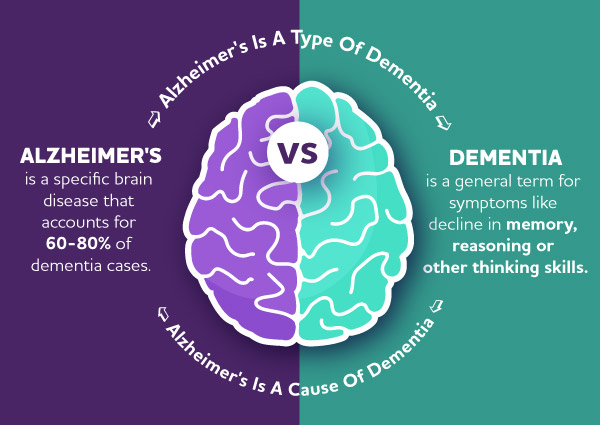
Alzheimer’s disease (AD) is the prodromal stage of Dementia. Imagine the disease as a continuum, beginning with Mild Cognitive Impairment (MCI) to possible/probable AD, and ultimately Dementia, the end-stage. Not all healthy people will have MCI, and not all MCI will result in AD. However, there is research evidence that a substantial proportion of people with AD-type MCI will progress to AD and subsequently Dementia. On the other hand, several findings suggest a possible reversal of AD-type MCI with carefully administered behavioral therapy, including brain-stimulating exercises. In addition to a good diet (the Mediterranean diet preferred), a minimum of 30 minutes of daily exercise, social connectedness (community groups, family, friends), and brain-stimulating exercises have been associated with possible reversal or delay of AD-type Dementia.

The figure below gives a clear overview of the Alzheimer’s disease Dementia continuum.

Overview of Alzheimer’s disease Dementia continuum. Image source: https://www.alz.org/

Below, I provide a list of websites where you can try out different brain-stimulating exercises:

BRAINGLE: Braingle is a place to solve puzzles, brush up on your trivia, play games and give your brain a workout.

brainHQ: American Association of Retired Persons (AARP) brain training exercise.

JigZone: Online Jigsaw Puzzles

Lumosity: Personalized brain training.

WholisticResearch: Brain exercises to improve cognitive performance and memory retention.

For additional information on Alzheimer’s disease and Dementia, visit https://www.alz.org/.

There is hope, even when your brain tells you there isn’t.

John Green