Breakthrough treatment: Locanemab is approved to treat early-onset Alzheimer’s disease

According to the Alzheimer’s Drug Discovery Foundation and the article published in the New England Journal of Medicine, the United States Food and Drug Administration (FDA) has approved Locanemab (Leqembi) as a new treatment to treat early onset Alzheimer’s disease. The approval came through the accelerated pathway for critical medical needs based on strong clinical evidence from randomized trials.

Phase 3 of the ongoing trial shows evidence of slow cognitive decline among users of Locanemab after 18 months. In addition, results from the study show a significant reduction in Amyloid Plaques in the brain of Locanemab users compared to those on placebo.

As with every trial, there are concerns about the adverse effects of such a new medication. Therefore, additional information on the safety and efficacy of the drug is warranted from longer trials.

Sources:

1. Alzheimer’s Drug Discovery Foundation

2. Lecanemab in Early Alzheimer’s Disease, The New England Journal of Medicine
What is the Alzheimer’s Dementia Continuum?

…several findings suggest a possible reversal of AD-type MCI with carefully administered behavioral therapy, including brain-stimulating exercises.

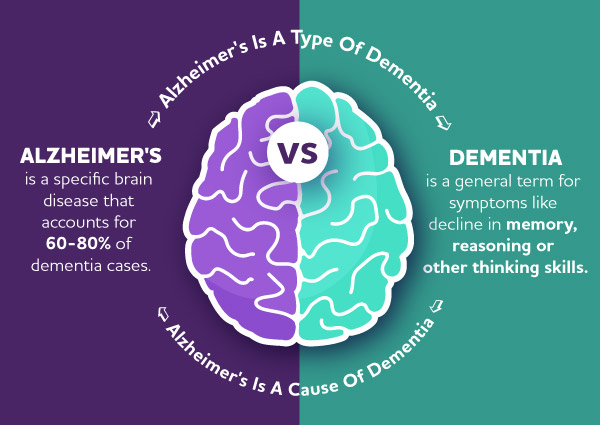
Alzheimer’s disease (AD) is the prodromal stage of Dementia. Imagine the disease as a continuum, beginning with Mild Cognitive Impairment (MCI) to possible/probable AD, and ultimately Dementia, the end-stage. Not all healthy people will have MCI, and not all MCI will result in AD. However, there is research evidence that a substantial proportion of people with AD-type MCI will progress to AD and subsequently Dementia. On the other hand, several findings suggest a possible reversal of AD-type MCI with carefully administered behavioral therapy, including brain-stimulating exercises. In addition to a good diet (the Mediterranean diet preferred), a minimum of 30 minutes of daily exercise, social connectedness (community groups, family, friends), and brain-stimulating exercises have been associated with possible reversal or delay of AD-type Dementia.

The figure below gives a clear overview of the Alzheimer’s disease Dementia continuum.

Overview of Alzheimer’s disease Dementia continuum. Image source: https://www.alz.org/

Below, I provide a list of websites where you can try out different brain-stimulating exercises:

BRAINGLE: Braingle is a place to solve puzzles, brush up on your trivia, play games and give your brain a workout.

brainHQ: American Association of Retired Persons (AARP) brain training exercise.

JigZone: Online Jigsaw Puzzles

Lumosity: Personalized brain training.

WholisticResearch: Brain exercises to improve cognitive performance and memory retention.

For additional information on Alzheimer’s disease and Dementia, visit https://www.alz.org/.

There is hope, even when your brain tells you there isn’t.

John Green