The Role of Physical Exercise in Alzheimer’s Management

Physical exercise is not only beneficial for general health but also plays a significant role in managing Alzheimer’s disease. Regular activity can improve mood, reduce anxiety, and potentially slow cognitive decline. Simple exercises like walking, stretching, or chair yoga are excellent for patients at various stages of Alzheimer’s. Tailor activities to their abilities—even light gardening or dancing can foster engagement and joy.

Caregivers should aim for consistency, integrating exercise into the daily routine to provide structure and reduce confusion. Social forms of exercise, like group walking sessions, also encourage interaction, which is essential for emotional well-being. Safety is paramount—ensure that the environment is secure and monitor the patient to avoid overexertion.

For additional guidance and ideas, consider the following resources:

  • National Institute on Aging: Explore their comprehensive guide to safe and effective exercises for older adults, including Alzheimer’s patients. Visit nia.nih.gov/health/exercise-physical-activity.
  • Go4Life Program: Developed by the National Institute on Aging, this program offers free videos, tips, and guides for incorporating exercise into daily life. Access it at go4life.nia.nih.gov.
  • Alzheimer’s Society (UK): Provides a list of exercise activities tailored for people living with dementia. Learn more at alzheimers.org.uk.
  • YouTube Exercise Channels: Channels like “Chair Yoga with Adriene” or “Eldergym Senior Fitness” offer free, easy-to-follow exercise routines.
  • Local YMCA or Senior Centers: Many offer specialized fitness programs designed for cognitive and physical wellness. Contact your local center for availability.

Incorporating regular physical activity into the care plan not only benefits patients but also provides caregivers with opportunities to engage positively with their loved ones.

Supporting Patients and Families Navigating Alzheimer’s Disease

Caring for a loved one with Alzheimer’s disease can be both challenging and rewarding. For caregivers, understanding the disease’s progression is vital. Early-stage Alzheimer’s may present as mild memory lapses, but as it advances, patients often require more intensive support. Families should prioritize creating a structured environment with clear routines to reduce confusion. Labeling items, maintaining a daily schedule, and incorporating visual cues can help patients navigate their surroundings more independently. Encouraging regular physical activity and a balanced diet also supports overall health and may help mitigate disease progression.

Behavioral health challenges, such as agitation or depression, are common in Alzheimer’s patients and can be stressful for caregivers. To manage these behaviors, families should focus on identifying potential triggers. Often, changes in routine, overstimulation, or unmet needs (like hunger or discomfort) can lead to behavioral changes. Responding with patience and empathy is crucial—arguing or correcting the patient can exacerbate the situation. Instead, redirecting their attention to a calming activity, such as listening to music or engaging in art, can help. Additionally, caregivers should not hesitate to seek professional guidance from behavioral health specialists when needed.

Supporting caregivers themselves is just as important as caring for the patient. Burnout and stress can take a toll on physical and mental health. Families should explore respite care services and community resources like Alzheimer’s support groups to share experiences and solutions. Ensuring caregivers have time for self-care—whether through exercise, hobbies, or simply resting—is essential to sustaining their ability to provide quality care. Below are some helpful resources:

  • Alzheimer’s Association: Provides education, support groups, and a 24/7 helpline (1-800-272-3900). Visit alz.org for more information.
  • National Institute on Aging: Offers comprehensive information on Alzheimer’s research, caregiving tips, and safety. Access their resources at nia.nih.gov/health/alzheimers.
  • Family Caregiver Alliance: A resource hub for caregiving strategies, policy updates, and support. Learn more at caregiver.org.
  • Eldercare Locator: Connects families with local services, such as respite care and adult day programs. Use their service at eldercare.acl.gov.
  • Music & Memory: A program that helps improve quality of life through personalized music playlists. Find out more at musicandmemory.org.
  • “10 Warning Signs of Alzheimer’s” Video: Watch this informative video on recognizing early signs on the Alzheimer’s Association’s YouTube Channel.
  • Teepa Snow’s Positive Approach to Care: Explore practical caregiving techniques and strategies on her YouTube Channel.
  • Dementia Care Resources: Access free videos and guides from Dementia Care Central at dementiacarecentral.com.
  • Alzheimer’s Research Updates: Stay informed with the latest studies at alzforum.org.

Alzheimer’s is a journey for both patients and their families, but with the right strategies and support systems, it is possible to navigate this path with resilience and compassion.

Adverse Childhood Experiences and Alzheimer’s Disease

Understanding the Link between ACEs and Alzheimer's Disease

Ten Useful Learning Resources on Alzheimer’s Disease

Below is a list of useful resources on Alzheimer’s Disease:

1. What is Alzheimer’s Disease?: https://www.alz.org/alzheimers-dementia/what-is-alzheimers   

2. On the path to 2025: understanding the Alzheimer’s disease continuum: https://pubmed.ncbi.nlm.nih.gov/28793924/

3. Breaking the Alzheimer’s Dementia continuum with Evidence-Based Research: https://alzheimerscontinuum.com/

4. Finding Dementia Care and Local Services: https://www.alzheimers.gov/life-with-dementia/find-local-services 

5. NIH Toolbox: https://www.healthmeasures.net/explore-measurement-systems/nih-toolbox

6. Alzheimer’s and Related Dementias Resources for Professionals: https://www.nia.nih.gov/health/health-care-professionals-information/alzheimers-and-related-dementias-resources

7. Alzheimer’s Disease: Resources for Patients and Families

https://www.ohsu.edu/brain-institute/alzheimers-disease-resources-patients-and-families

8. Trauma Resources for Families: https://www.aap.org/en/patient-care/trauma-informed-care/resources-for-families/

9. Coping With Traumatic Events: https://www.nimh.nih.gov/health/topics/coping-with-traumatic-events

10. Trauma Resource Institute: https://www.traumaresourceinstitute.com/

The value I provide with my expertise in behavioral health.

I am Dr. Sylvester Orimaye, PhD, MPH. DBH-C. As the Founder and Director of the Behavioral Health Outcomes and Artificial Intelligence Laboratory, I wanted to briefly overview what I do in behavioral health. As a data scientist and behavioral health researcher, I am particularly interested in early screening of behavioral health problems so patients can access timely interventions before their illnesses get severe. This process can potentially save substantial healthcare costs and decrease the need for emergency room visits or hospitalization.

More importantly, I am using my expertise in Artificial Intelligence to create screening technologies that guarantee accuracy and effectiveness in identifying behavioral health problems. This idea will revolutionize the way we diagnose and treat behavioral health problems.

Finally, as a researcher and someone with expertise in behavioral health, I intend to contribute to and enhance patient-centered care, manage population health, improve reporting, and support value-based payments in healthcare and community-based services for individuals with behavioral health disorders, particularly those with depression, mild cognitive impairment, and Alzheimer’s disease.

What is the Alzheimer’s Dementia Continuum?

…several findings suggest a possible reversal of AD-type MCI with carefully administered behavioral therapy, including brain-stimulating exercises.

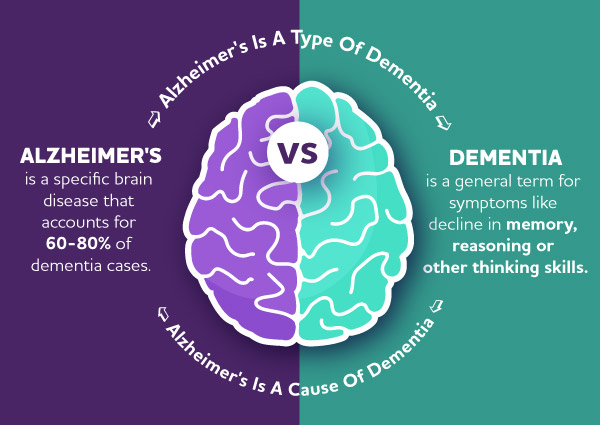
Alzheimer’s disease (AD) is the prodromal stage of Dementia. Imagine the disease as a continuum, beginning with Mild Cognitive Impairment (MCI) to possible/probable AD, and ultimately Dementia, the end-stage. Not all healthy people will have MCI, and not all MCI will result in AD. However, there is research evidence that a substantial proportion of people with AD-type MCI will progress to AD and subsequently Dementia. On the other hand, several findings suggest a possible reversal of AD-type MCI with carefully administered behavioral therapy, including brain-stimulating exercises. In addition to a good diet (the Mediterranean diet preferred), a minimum of 30 minutes of daily exercise, social connectedness (community groups, family, friends), and brain-stimulating exercises have been associated with possible reversal or delay of AD-type Dementia.

The figure below gives a clear overview of the Alzheimer’s disease Dementia continuum.

Overview of Alzheimer’s disease Dementia continuum. Image source: https://www.alz.org/

Below, I provide a list of websites where you can try out different brain-stimulating exercises:

BRAINGLE: Braingle is a place to solve puzzles, brush up on your trivia, play games and give your brain a workout.

brainHQ: American Association of Retired Persons (AARP) brain training exercise.

JigZone: Online Jigsaw Puzzles

Lumosity: Personalized brain training.

WholisticResearch: Brain exercises to improve cognitive performance and memory retention.

For additional information on Alzheimer’s disease and Dementia, visit https://www.alz.org/.

There is hope, even when your brain tells you there isn’t.

John Green